1. Walk the grounds
For outdoor spaces, the crew walks fence lines, planters, corners and bushes where needles collect.
Dickinson, ND · Stark County
Do not pick it up. If you see a needle, lancet or syringe in Dickinson, call (877) 812-4220 and let a cleanup team handle the sharps removal, sealed containers and disposal.
If anyone is in danger, call 911 first. For a suicide crisis, call or text 988.
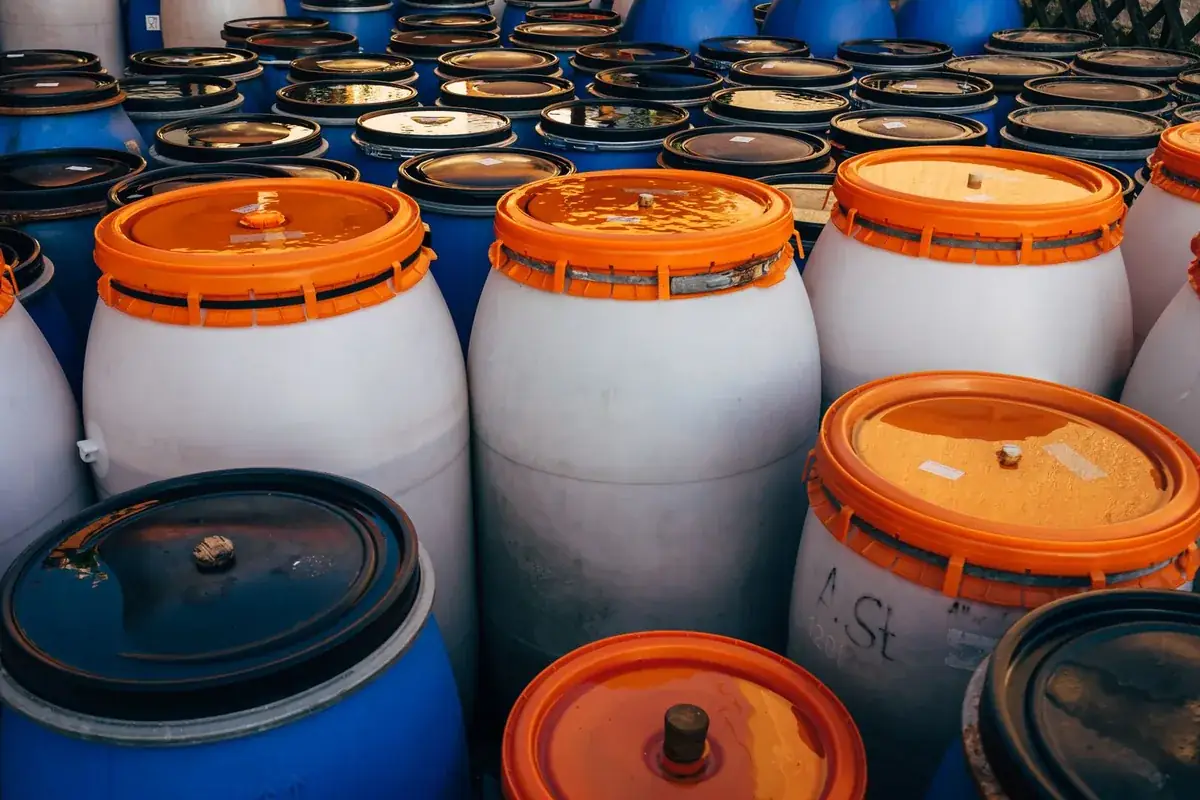
A sharps sweep is a careful search of a home, yard, vehicle or building for discarded needles, followed by removal and disposal. One needle often means others are nearby, so the whole area is checked.
Need careful syringe removal in Dickinson or nearby communities in Stark County? Call Dickinson Biohazard Cleanup Help. Cleanup technicians follow the OSHA Bloodborne Pathogens Standard, 29 CFR 1910.1030, when sharps are involved, so you do not have to touch them.
A stick, cut or splash should be checked by a doctor without delay. CHI St Alexius Health Dickinson in Dickinson serves people in and around Dickinson. About 39% of households in Dickinson rent. Renters and owners alike can call a cleanup team when needles are found.
What needle & sharps cleanup covers:
For outdoor spaces, the crew walks fence lines, planters, corners and bushes where needles collect.
Sharps are separated from other items so soft goods are not handled until the sweep is done.
Tools lift each sharp into a container. Lids are locked, and containers are labeled for transport.
Hard surfaces are cleaned with EPA-registered products. Soaked fabrics may be removed and bagged.
The cost of needle & sharps cleanup in Dickinson, ND depends on the amount of material, how it is packed and how it is hauled.
Whether surfaces need disinfecting changes the scope. Sharps lying on carpet, bedding or furniture can add cleaning or removal of soft materials.
| Type of job | Typical range |
|---|
Figures are planning ranges from , not a price for any specific Dickinson property. Price drivers include number of items, where they are found, whether a sweep of a large area is needed, waste disposal. Call (877) 812-4220 any hour.
A used needle can carry bloodborne pathogens such as hepatitis B, hepatitis C and HIV. The chance of infection from one stick depends on many things, and a doctor can explain what applies. Get medical care promptly after any stick or cut.
Wash the area with soap and water and get medical care right away. Call 911 in an emergency, or Poison Control with exposure questions. Tell the doctor what happened and where the needle was found, if you know. Do not wait to see whether symptoms appear.
It is a rigid, puncture-resistant box with a locking lid, made to hold needles, syringes, lancets and blades. Cleanup teams use them to seal sharps for transport. Containers should not be overfilled or opened again once locked.
Do not go in to look. Report it to the owner, the local health department or a cleanup team. A team can sweep the whole building in protective gear, remove the sharps and give the owner a record of the work.
Lease terms and local law decide. A landlord, an attorney or a tenant rights group can say who is responsible. In many cases the property owner books the sweep first so the unit can be used again, and the cost is sorted out afterward.
Safer options exist. Many cities and health departments have programs for found needles and may give instructions or send someone. If you are unsure, do not touch it. Leaving a needle in place and keeping others away is safer than risking a stick.
Ask about discreet arrival in an unmarked vehicle if privacy matters.
Call (877) 812-4220